If you have grown up watching your father or grandfather wear a dhoti every single day, you already know something that a lot of modern menswear misses: comfort doesn’t have to come at the cost of tradition. At Janta Stores, we have been supplying cotton dhotis to retailers and households across Gujarat since 2017, and if there is one thing we hear again and again from our regular buyers, it’s this: nothing beats cotton for everyday wear.
Let’s break down why.
1. Cotton Breathes Better Than Any Other Fabric
Gujarat’s climate isn’t exactly gentle for most of the year. Silk and synthetic blends look rich, but they trap heat and cling to the body in humidity. Cotton, on the other hand, is a natural fibre that allows air to pass through, keeping you cool even during long hours of wear, whether you’re at a shop counter, in the kitchen, or attending a morning puja.
This is exactly why cotton has remained the default choice for daily dhoti wear for generations, and why it continues to outsell every other fabric in our wholesale orders.
2. Easy on the Skin, Easy on Maintenance
Cotton dhotis don’t need special care. They can be washed at home, dry quickly, and don’t require dry-cleaning as silk does. For daily wearers — priests, shopkeepers, farmers, elderly family members — this practicality matters more than most people realise. A fabric you can wash today and wear tomorrow is simply more useful than one that needs to sit at the dry cleaner for two days.
3. Affordable Without Compromising on Quality
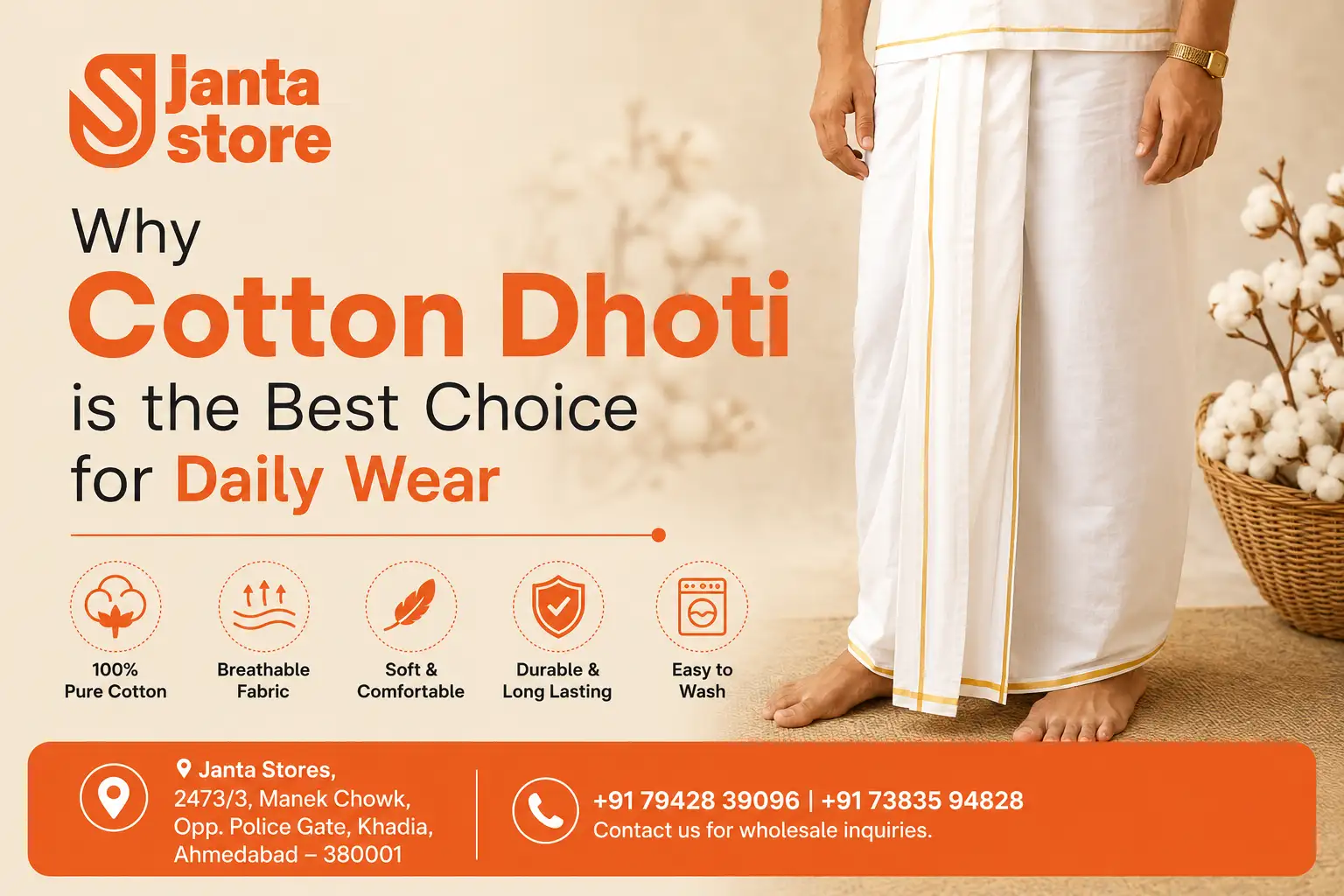
One of the biggest reasons retailers prefer stocking cotton dhotis is the price-to-durability ratio. A good quality cotton dhoti, like our Honda Cotton Dhoti or Men Cotton Dhoti, holds its shape and colour wash after wash, without the steep price tag that comes with silk.
For customers who want a little more richness for festive days without moving to full silk, we also stock the Men Cotton Golden Zari Border Dhoti — same everyday comfort, with a festive touch on the border.
4. Versatile Across Occasions
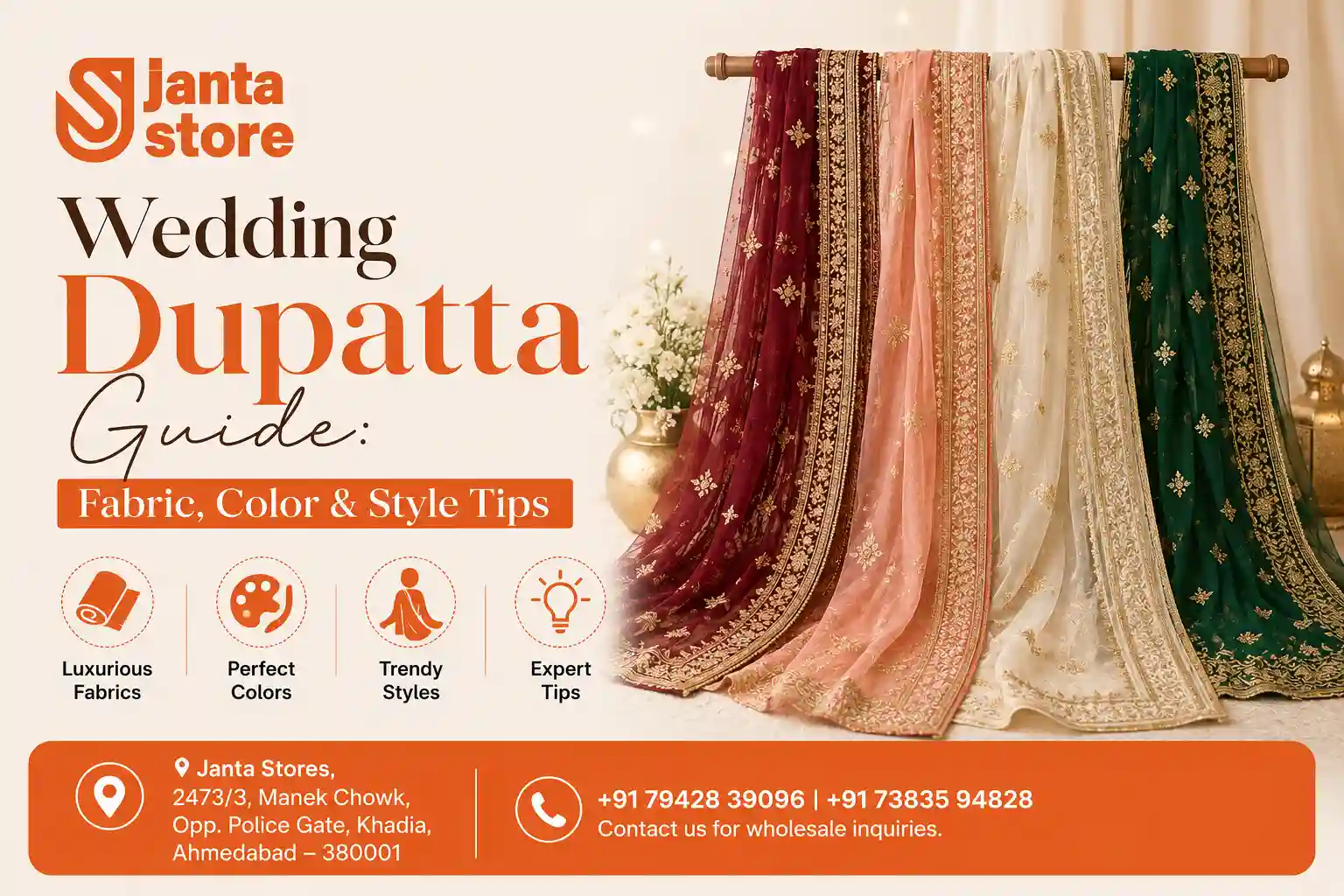
While cotton is best known as the daily-wear fabric, it isn’t limited to that. A well-finished cotton dhoti with a zari border works just as well for temple visits, family functions, or simple weddings. This versatility is one reason our Honda Cotton Dhoti Dupatta Set is a popular choice among buyers looking for a matching set that transitions easily from home to function.
What to Check Before You Buy a Cotton Dhoti
Not all cotton dhotis are made equal. Based on years of sourcing and supplying fabric in bulk, here’s what we tell our buyers to look for:
- Weave density — a tighter weave means better durability and less transparency
- Border finishing — check for loose threads or uneven stitching along the zari border
- Colour consistency — the fabric should hold its colour after the first few washes
- Fabric weight — lighter for daily wear, slightly heavier weaves for a more formal look
Cotton Dhoti vs Silk Dhoti: Which One Do You Actually Need?
This is probably the most common question we get from both retail customers and first-time wholesale buyers. The honest answer is that it depends entirely on how the dhoti is going to be used.
Silk dhotis are richer, hold embroidery and zari work more prominently, and are almost always the choice for weddings, main ceremonies, or occasions where the outfit needs to make a statement. But that richness comes with trade-offs — silk is heavier, needs more careful washing (usually dry-cleaning), and costs noticeably more per piece.
Cotton, on the other hand, is built for repetition. It’s the dhoti you reach for every single day, not just on special occasions. If you’re a retailer trying to decide how to split your stock, our general advice based on years of sales patterns is simple: cotton should make up the bulk of your everyday inventory, with silk stocked in smaller quantities for the festive and wedding season. This mirrors what we see in our own wholesale orders — cotton dhotis consistently outsell silk by volume, even though silk often gets more attention for its visual appeal.
Why Priests, Elders, and Daily Wearers Prefer Cotton
If you spend time around temples, family functions, or simply observe daily habits in traditional households, you’ll notice something consistent — priests, elders, and regular dhoti wearers almost always default to cotton for daily use. This isn’t a coincidence or just a matter of cost.
Cotton allows the skin to breathe during long hours of standing, sitting cross-legged, or moving around — something that matters a great deal for priests performing pujas for extended periods, or for elderly family members who wear a dhoti through most of the day. Synthetic blends might look similar at first glance, but they don’t offer the same comfort over long wear, and they tend to trap heat and moisture, which can be genuinely uncomfortable in Gujarat’s climate for much of the year.
This is also why, across our years of supplying dhotis to temples, family-run shops, and individual buyers, cotton has remained the fabric that gets reordered the most — not because it’s flashy, but because it simply performs better for daily, practical use.
How to Style a Cotton Dhoti for Different Settings
A cotton dhoti doesn’t have to look the same every time it’s worn. A few small styling choices can shift it from purely functional to slightly more festive, without changing the fabric itself:
- For daily wear — a plain cotton dhoti with a simple border, paired with a casual kurta or shirt, keeps things practical and breathable
- For temple visits or religious functions — a dhoti with a thin golden zari border, like our Golden Zari Border Dhoti, adds a touch of formality while staying comfortable
- For daytime wedding functions — pairing a cotton dhoti with a matching dupatta, such as our Honda Cotton Dhoti Dupatta Set, gives a coordinated look without the weight or cost of silk
- For festivals — a slightly richer border pattern paired with a traditional kurta works well for festive gatherings where silk might feel too heavy for the weather
Caring for Your Cotton Dhoti So It Lasts Longer
A well-made cotton dhoti can last for years if it’s cared for properly. A few practices we recommend to our buyers, based on common feedback and complaints we’ve resolved over the years:
- Wash new dhotis separately for the first two to three washes, since some colour bleeding is normal in the early stages
- Avoid harsh detergents with bleach, as they can weaken cotton fibres over time and dull the fabric’s finish
- Dry in shade rather than direct, prolonged sunlight to prevent the colour from fading unevenly
- Iron on a medium setting while the fabric is still slightly damp for the crispest finish
- Store folded rather than hung, to avoid stretching at the waist fold line
These small habits make a noticeable difference in how long a dhoti retains its colour, shape, and overall feel.
A Word From Experience
Having supplied dhotis to retailers across Ahmedabad and beyond for close to a decade now, we’ve seen fashion trends come and go — but the demand for a well-made, breathable cotton dhoti has never dropped. It remains a staple, not because it’s the only option, but because it consistently delivers on comfort, practicality, and value.
Shop Cotton Dhoti Wholesale
Whether you’re a retailer looking to stock up or a buyer looking for a reliable daily-wear dhoti, explore our full Cotton Dhoti collection or get in touch with us directly for bulk pricing.
📍 Janta Stores, 2473/3, Manek Chowk, Opp. Police Gate, Khadia, Ahmedabad – 380001
📞 +91 79428 39096 | +91 73835 94828
Contact us for wholesale inquiries.
FAQs
Q: How much fabric does a standard cotton dhoti use?
A: Most standard dhotis are either 4.5 metres or 5 metres in length, depending on the wearer’s height and draping style.
Q: Can cotton dhotis be worn for weddings?
A: Yes — cotton dhotis with a zari or golden border, like our Golden Zari Border Dhoti, are a great lightweight option for daytime wedding functions.
Q: How do I maintain the colour of a cotton dhoti?
A: Wash in cold water separately for the first few washes and avoid direct harsh sunlight while drying to preserve colour longer.